
April 1, 2026
Why Purity Matters: A Researcher's Guide to Peptide Lab Reports
Learn how to read HPLC and MS lab reports to verify peptide purity and identity. Understand why high-purity compounds are essential for reliable research results.
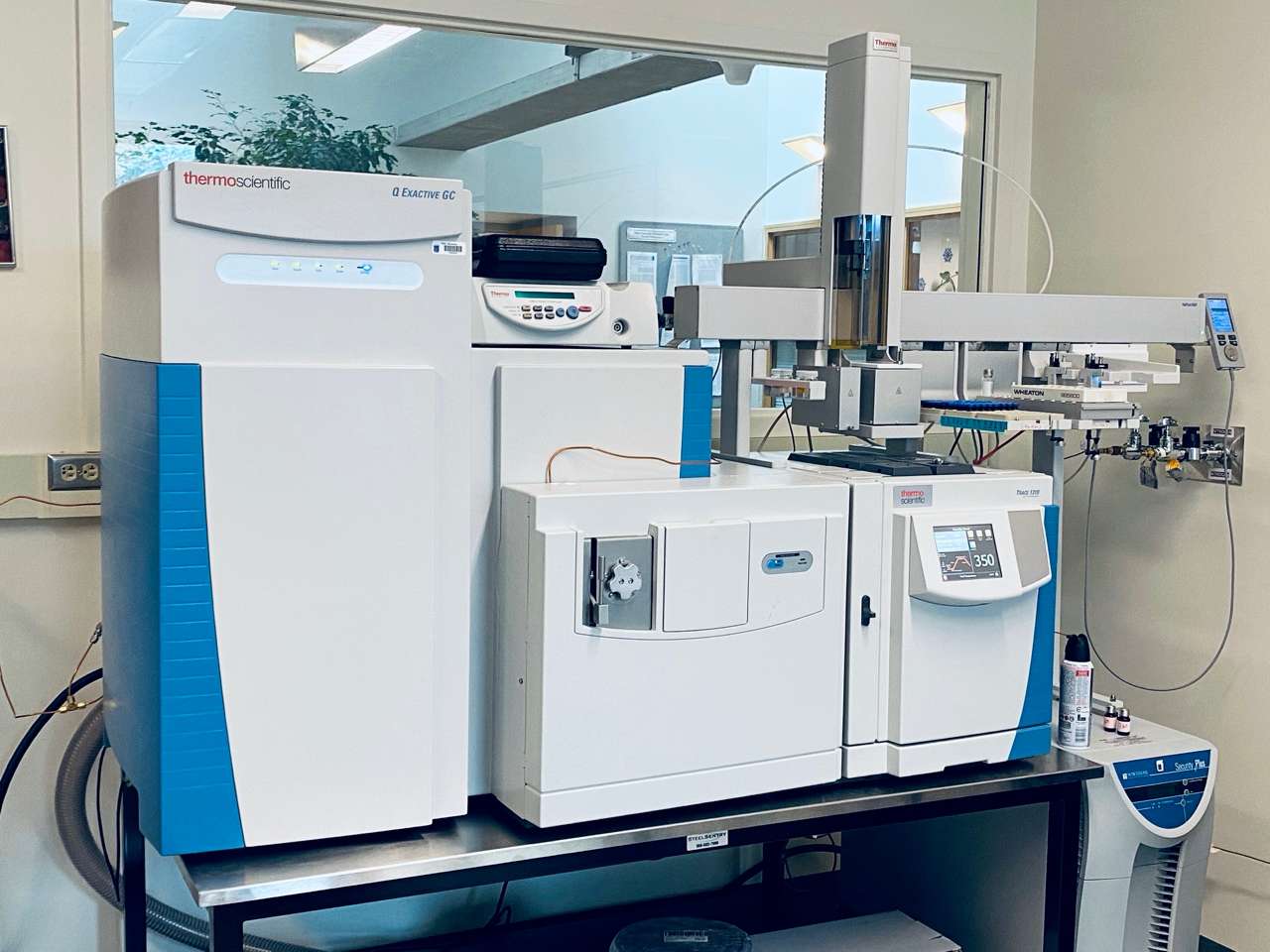
A high-precision mass spectrometry machine used for peptide purity and identity verification.
Why Purity Matters: A Researcher's Guide to Peptide Lab Reports
In peptide research, the integrity of your data depends entirely on the quality of your compounds. Understanding how to read a Certificate of Analysis (CoA) and verifying the purity of your peptides is a fundamental skill for any researcher.
What is High Purity?
For research peptides, the industry standard for "high purity" is typically 98% or greater. This means that 98% of the content in the vial is the intended peptide sequence. The remaining 2% consists of trifluoroacetic acid (TFA), moisture, and residual solvents used during the synthesis process.
Key Components of a Lab Report
1. HPLC (High-Performance Liquid Chromatography)
HPLC is used to determine the purity of the peptide. The report shows a "chromatogram" with a series of peaks.
- The Main Peak: Represents the target peptide.
- Integration Area: The percentage of the total area under the curve that the main peak represents determines the purity.
- Small Peaks: Represent minor impurities or truncated sequences.
2. MS (Mass Spectrometry)
While HPLC tells you how pure the substance is, Mass Spectrometry confirms what the substance is. It measures the molecular weight of the compound.
A researcher should compare the "Theoretical Mass" (expected weight) with the "Observed Mass" (actual weight). If these numbers match (allowing for a small margin of error), the identity of the peptide is confirmed.
The Risks of Low-Purity Peptides
Using peptides with lower purity or unverified identities can lead to:
- Inconsistent Data: Impurities can interfere with biological assays and lead to non-reproducible results.
- Unintended Biological Activity: Truncated sequences or residual reagents may have their own biological effects.
- Degradation: Lower purity often correlates with faster degradation and shorter shelf life.
How Seus Peptides Ensures Quality
At Seus Peptides, we prioritize transparency and rigorous testing. Every batch of our research peptides undergoes third-party HPLC and MS analysis to verify both purity and identity before it reaches your laboratory.
Conclusion
Quality control is not just a checkbox; it is the foundation of scientific discovery. By insisting on high-purity peptides and knowing how to verify lab reports, researchers can ensure that their findings are accurate, reliable, and contribute meaningfully to their field.
Sourcing in the United States? Read our guide to buying research peptides in the USA for supplier checklists, COA requirements, and shipping expectations.

Disclaimer: Seus Peptides products are intended for laboratory research use only. They are not for human consumption or diagnostic purposes.